
 Course
UG115 Vein Anatomy For UGPIV
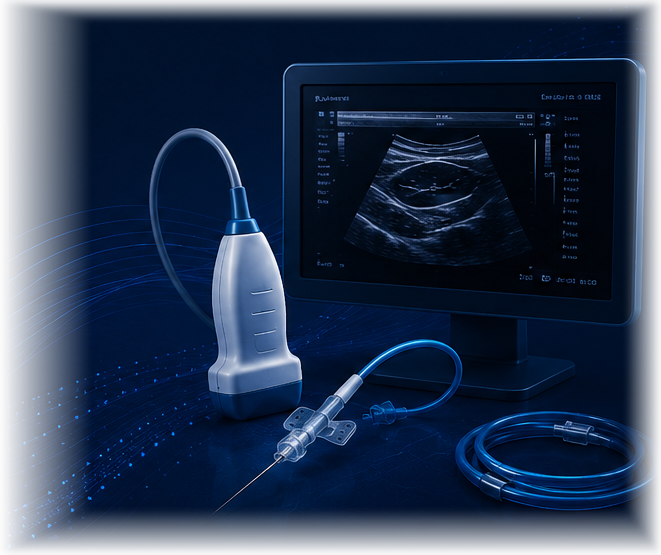
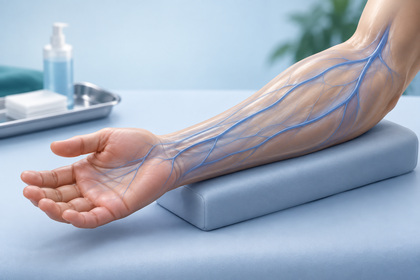
Build an anatomical map for UGPIV assessment. Explore arm veins, surrounding structures, and selection zones before progressing to ultrasound-guided placement.
1 hour 1 CE
PICC Excellence Course Catalog
Explore evidence-based vascular access education, professional certifications, mastery programs, site licenses, and hands-on workshops.
Browse by Product Type
Filter the catalog by course format or professional-development pathway.
All Products
147 products found
Course Build an anatomical map for UGPIV assessment. Explore arm veins, surrounding structures, and selection zones before progressing to ultrasound-guided placement.
 Course
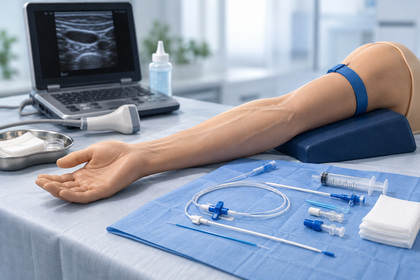
Focus on the infection prevention considerations surrounding central line placement. Reinforce insertion practices as part of a consistent vascular access education plan.
 Course
Explore the standards and guidelines behind infection prevention practice. Build a clearer understanding of how recommendations inform vascular access care.
 Course
Build recognition of common vascular access complications. Review infection, thrombosis, occlusion, phlebitis, migration, and catheter rupture.
 Course
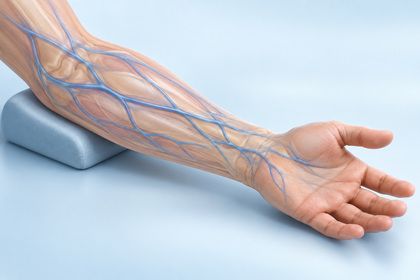
Explore forearm veins with peripheral IV placement in mind. Compare anatomical options and selection considerations for non-ultrasound-guided insertion.
 Course
Connect vein assessment with catheter selection for UGPIV. Explore vessel anatomy, catheter length, and device characteristics before placement.
 Course
Build a neonatal-focused foundation for PICC practice. Connect anatomy, patient preparation, insertion, and care with a structured pathway toward supervised competency assessment.
 Course
Clarify bloodstream infection terminology and reporting concepts. Explore infection pathways, verification criteria, and prevention priorities for peripheral and central devices.
 Course
Expand your review of vascular access complications. Explore bleeding, nerve injury, wire and arterial access concerns, air embolism, and removal challenges.
 Course
Prepare for PIV placement with a more complete assessment. Connect the treatment plan with vein location, palpation, and visualization techniques.
 Course
Give daily device assessment a consistent framework. Review the essential components of VAD assessment and connect observation with ongoing care decisions.
 Course
Clarify the limits of midline use. Explore the treatment and patient considerations that may make a different vascular access device more appropriate.