
 Course
PIV215 Infection Control Standards and Guidelines
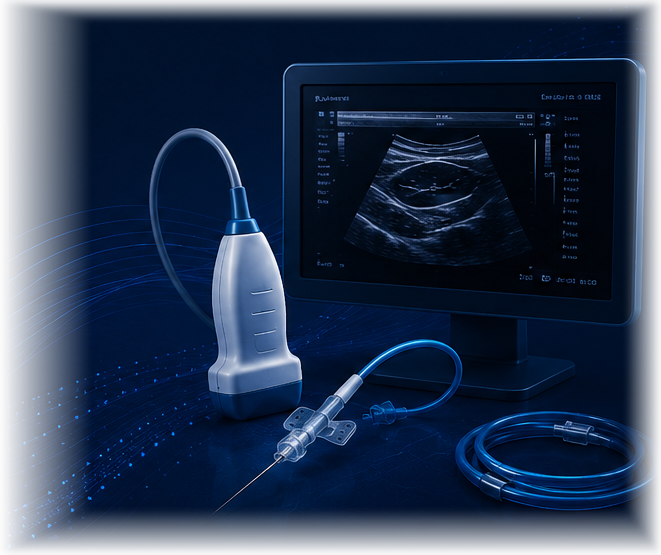
Explore the standards and guidelines behind infection prevention practice. Build a clearer understanding of how recommendations inform vascular access care.
1 hour 1 CE
PICC Excellence Course Catalog
Explore evidence-based vascular access education, professional certifications, mastery programs, site licenses, and hands-on workshops.
Browse by Product Type
Filter the catalog by course format or professional-development pathway.
Courses
84 products found
Course Explore the standards and guidelines behind infection prevention practice. Build a clearer understanding of how recommendations inform vascular access care.
 Course
Connect vascular access practice with measurable outcomes. Explore data collection, analysis, and identification of improvement opportunities.
 Course
Clarify bloodstream infection terminology and reporting concepts. Explore infection pathways, verification criteria, and prevention priorities for peripheral and central devices.
 Course
Build aseptic practice into peripheral catheter care. Explore ANTT, protection of key parts and sites, and preparation appropriate to the procedure.
 Course
Strengthen central line infection prevention knowledge. Review infection pathways, institutional protocols, and insertion and maintenance practices within a coordinated approach.
 Course
Connect prevention practices with improvement efforts. Explore insertion and maintenance bundles, aseptic practice, antimicrobial devices, and assessment tools.
 Course
Build a clear foundation in infection prevention. Review infection terminology, warning signs, contamination sources, and aseptic principles in vascular access care.
 Course
Understand how and why to create a sterile field. Follow preparation and maintenance concepts that support aseptic vascular access procedures.
 Course
Review blood sampling through vascular access devices. Follow procedural explanations and videos with attention to patient safety and continued device function.
 Course
Connect everyday VAD care with a consistent maintenance approach. Review bundle recommendations and standardized practices that support infection prevention.
 Course
Make catheter necessity part of ongoing assessment. Explore clinically indicated removal and the reasoning behind keeping or discontinuing a vascular access device.
 Course
Build recognition of common vascular access complications. Review infection, thrombosis, occlusion, phlebitis, migration, and catheter rupture.